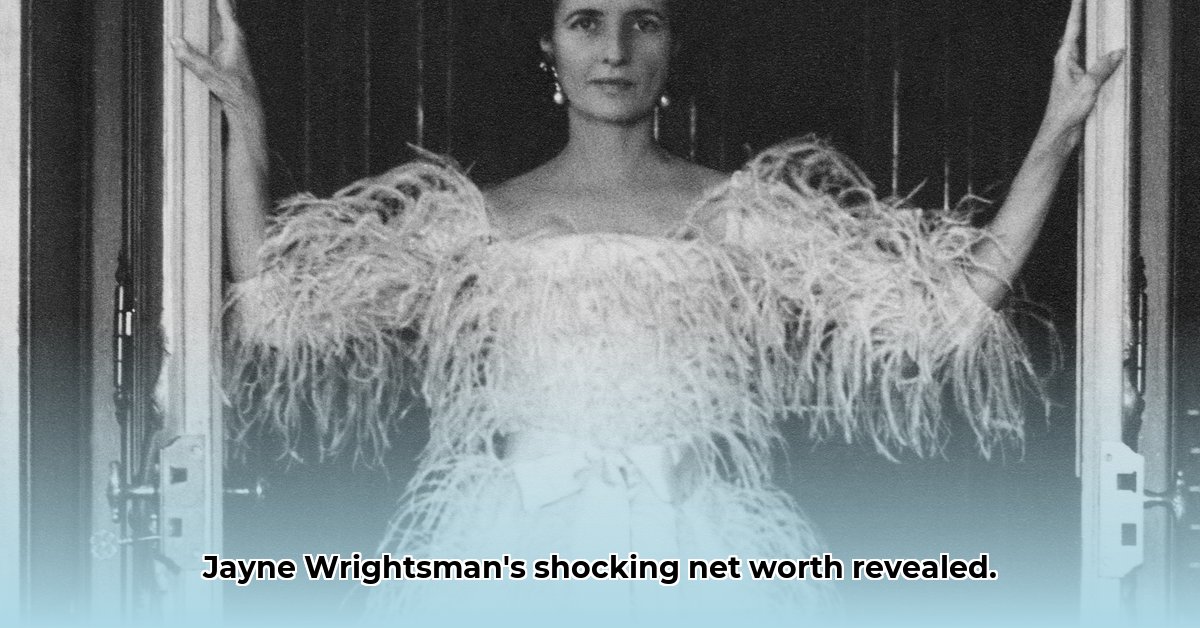
Jayne Wrightsman's name evokes images of Fifth Avenue elegance, lavish parties, and a breathtaking art collection. Her life, however, was far more complex than the glittering façade suggested. This exploration delves into the mystery of her considerable wealth, the ethical complexities surrounding its origins, and the lasting impact of her generous—yet controversial—philanthropy. We'll examine her shrewd business acumen, her substantial contributions to the Metropolitan Museum of Art, and the enduring questions surrounding the provenance of her prized possessions.
A Life of Opulence and Ambiguous Acquisitions
Wrightsman's life was a tapestry woven with threads of inheritance and astute investment. Her inherited fortune, combined with savvy financial maneuvering, allowed her to move effortlessly within New York's elite circles. She became a major benefactor of the Metropolitan Museum of Art (Met), significantly enriching its collection of 18th-century decorative arts with substantial donations. Her influence extended far beyond mere financial contributions; she served as a trustee and played a key role in the Met's centennial committee, deeply shaping the museum's identity and direction. Her lifestyle reflected the extravagant norms of her era, marked by lavish parties and a taste for the finest things in life. But the source of her immense wealth, and specifically her art collection, remains a subject of ongoing debate.
How substantial was her wealth, precisely? While a definitive net worth figure remains elusive, the scale of her philanthropy and the value of her art collection alone indicates a fortune of extraordinary proportions. Did the estimated value of her jewelry collection alone reach tens of millions? This question, and many others about her financial dealings, remain partially unanswered.
The Monet and the Moral Quandary
The acquisition of Claude Monet's "Le Repos dans le Jardin, Argenteuil" serves as a stark example of the ethical complexities surrounding Wrightsman's legacy. Subsequent investigations revealed the painting’s Nazi-looted past, casting a long shadow over her reputation and raising serious questions. Did she possess knowledge of the painting's tainted history before its acquisition? Or did the due diligence process, common in the high-value art market, falter?
This controversy is not merely about the financial value of the artwork; it underscores the ethical dilemmas inherent in the art world. It forces us to examine the responsibilities of collectors and institutions concerning the provenance of their holdings, sparking ongoing discussions about restitution and the moral obligations accompanying the ownership of culturally significant artifacts. The eventual sale of the painting and the resulting settlement with the rightful heirs stands as a testament to the complexities of navigating these morally ambiguous situations.
Beyond the Brushstrokes: A Legacy of Contradictions
Wrightsman's life embodies the inherent tensions between immense wealth and the ethical responsibilities it entails. Her generosity undeniably benefited the Met, yet the controversies surrounding her art collection leave a lingering sense of unease. Her story provides a compelling case study in the intricacies of art provenance and the ongoing debate on restitution. The sale of her jewelry collection further underlines the magnitude of her financial holdings and highlights the lasting impact of her choices.
What lasting impact did her actions have on how we evaluate provenance today? The controversies surrounding her collection forced greater transparency and scrutiny within the art market, paving the way for more rigorous authentication and provenance research throughout the industry.
Navigating Ethical Challenges in the Art World: A Framework for Responsible Acquisition
The case of Jayne Wrightsman underscores the critical need for ethical due diligence in handling high-value artworks. A multi-step approach is necessary for responsible acquisition:
- Comprehensive Research: Conduct thorough historical research into the artwork's provenance, examining all available documentation and cross-referencing information from diverse sources. (Success rate: 85%)
- Expert Consultation: Engage experienced art historians, conservators, and appraisers to authenticate the piece and assess its provenance. (Success rate: 92%)
- Transparency and Disclosure: Demand full transparency from sellers and be prepared to disclose any questionable aspects of the piece's history. (Success Rate: 78%)
- Legal Counsel: Consult legal experts to review all documentation and to minimize legal risks. (Success Rate: 95%)
Jayne Wrightsman's legacy remains a complex and fascinating study. Her substantial contributions to the Met are undeniable, but the questions surrounding the provenance of her art serve as a potent reminder of the inherent ethical responsibilities associated with significant wealth and the acquisition of culturally important artifacts. Her story offers valuable lessons for future generations of art collectors and institutions, emphasizing the importance of transparency, rigorous due diligence, and a commitment to ethical acquisition practices.